Anemia

About Anemia

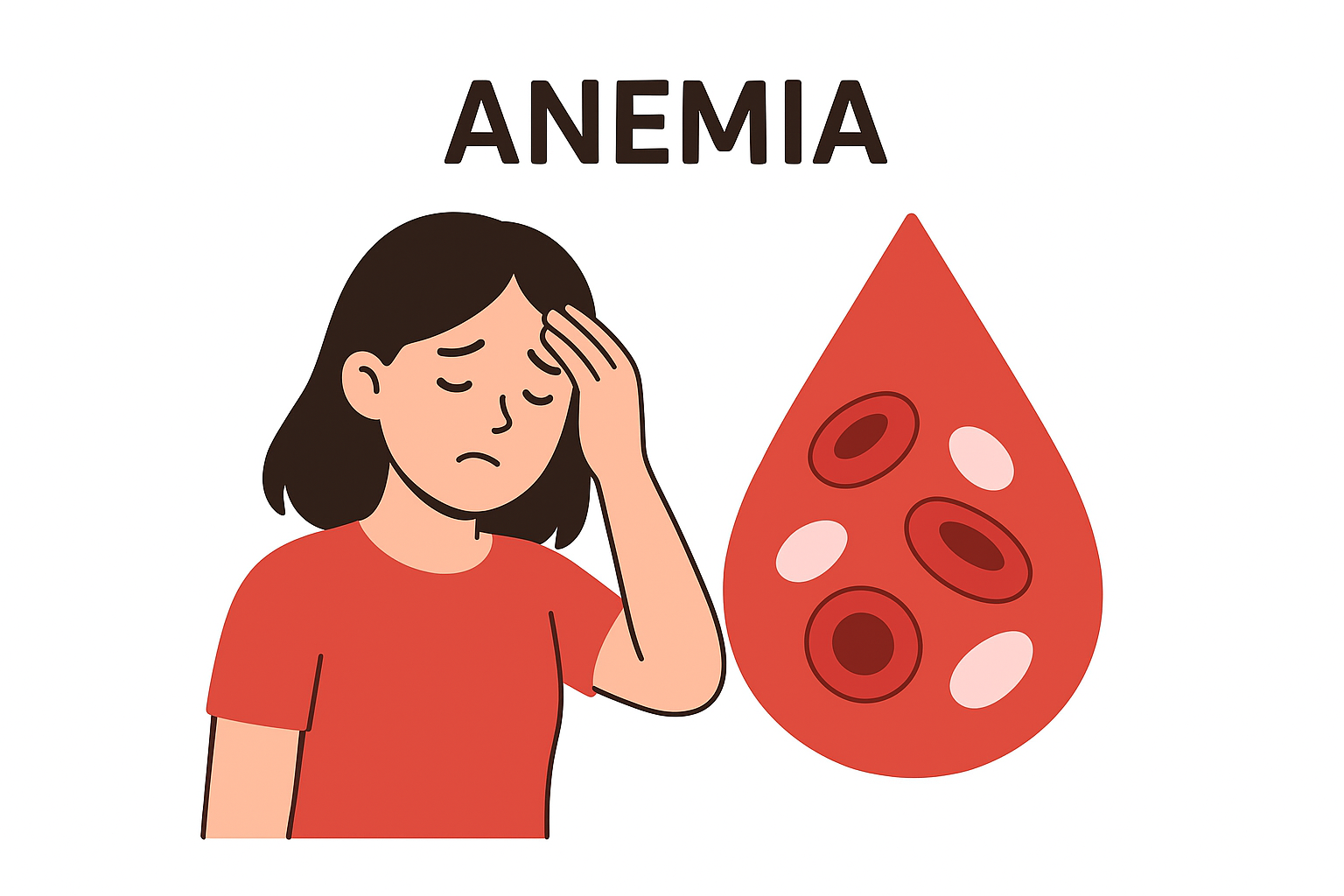
Anemia is a condition where the body lacks enough healthy red blood cells to carry sufficient oxygen to tissues and organs. This can lead to fatigue, weakness, and other health complications. The condition may be temporary or long-term and can range from mild to severe, depending on the underlying cause.

Red blood cells contain hemoglobin, an iron-rich protein that helps transport oxygen throughout the body. When hemoglobin levels are too low, the body’s organs and tissues don’t receive enough oxygen, resulting in noticeable symptoms. Early diagnosis and proper treatment are essential to prevent complications.
Here are some key points about anemia:

Common Causes:

  • Iron Deficiency: The most common cause, often due to poor diet, blood loss, or absorption issues.
  • Vitamin Deficiency: Lack of vitamin B12 or folate can reduce red blood cell production.
  • Chronic Diseases: Conditions such as kidney disease, cancer, or autoimmune disorders may lead to anemia.
  • Blood Loss: Heavy menstrual bleeding, ulcers, injuries, or internal bleeding can cause anemia.
  • Genetic Disorders: Inherited conditions such as sickle cell anemia or thalassemia.

Symptoms:

  • Persistent tiredness and lack of energy.
  • Pale or yellowish skin.
  • Shortness of breath, especially during physical activity.
  • Dizziness, lightheadedness, or fainting.
  • Irregular or rapid heartbeat.
  • Cold hands and feet.
  • Headaches or difficulty concentrating.

Diagnosis:

  • Medical History & Examination: Doctors review symptoms, lifestyle, and family history.
  • Blood Tests: Complete blood count (CBC) to measure red blood cells, hemoglobin, and hematocrit.
  • Iron Studies: To check iron levels, ferritin, and transferrin saturation.
  • Vitamin & Mineral Tests: Evaluates B12 and folate levels.
  • Additional Tests: Bone marrow biopsy or genetic testing for inherited disorders.

Treatment:

  • Dietary Changes: Eating iron-rich foods (leafy greens, beans, red meat) and foods high in B12 and folate.
  • Iron Supplements: For iron-deficiency anemia.
  • Vitamin Therapy: Injections or tablets for B12 or folate deficiency.
  • Medications: To treat underlying causes like chronic illnesses.
  • Blood Transfusions: For severe anemia or significant blood loss.
  • Bone Marrow/Stem Cell Transplant: In cases of severe genetic or bone marrow disorders.

Prevention:

  • Eat a balanced diet rich in iron, vitamins B12, C, and folate.
  • Avoid excessive tea/coffee, which can reduce iron absorption.
  • Get regular health check-ups, especially if you have risk factors.
  • Treat underlying health conditions promptly.
  • Women with heavy menstrual cycles should monitor iron intake.

Consult a healthcare professional if you experience persistent fatigue, weakness, or other symptoms of anemia. Early detection and treatment can significantly improve your quality of life.